This guide is part of Septic Service Cost. For the service itself, see our full septic service cost guide.
If you are pricing out a septic inspection in Denver, the first thing to know is that the cost depends on what kind of inspection you actually need. A routine condition check is usually less expensive than a home-sale or use-permit inspection that may require pumping, locating components, uncovering lids, documenting the system, or meeting county-specific requirements.
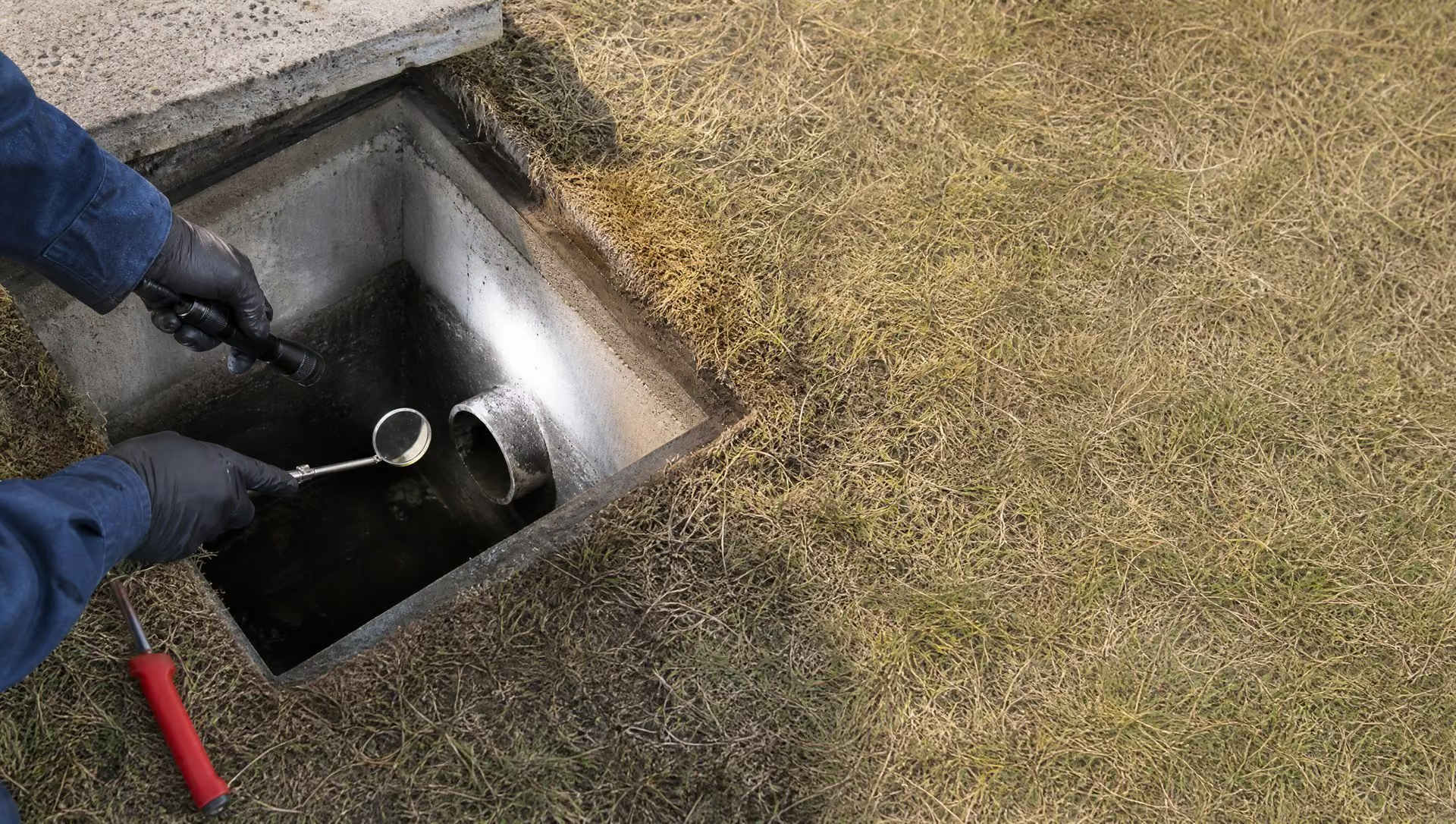
Septic inspection A septic inspection is an evaluation of system condition. It usually includes locating and accessing the tank, reviewing visible components, checking basic system function, and documenting any obvious deficiencies.
The inspection type sets the price. A routine condition check, a real-estate inspection, and a county use-permit inspection are not the same product.
If you already know you need an inspection, you can review our septic tank inspection page here.
What does a septic inspection usually cost in Denver?
For many homeowners, a basic septic inspection falls in the low-to-mid hundreds. More involved inspections, especially those tied to a property sale or county use-permit process, can cost more once pumping, access work, or extra documentation is part of the job.
That is why one published number can be misleading. The more useful question is whether you need a basic inspection, a real-estate inspection, or an inspection combined with pumping and troubleshooting.
| Inspection scenario | What it usually includes | Typical cost direction | Why the price changes |
|---|---|---|---|
| Basic septic inspection | Tank access, visual condition review, basic system assessment | Lower end | Less labor and fewer service steps |
| Inspection with difficult access | Inspection plus locating or uncovering lids | Mid to higher | Extra labor before the inspection can begin |
| Inspection with pumping | Pumping plus evaluation while the tank is open | Mid to higher | More time, equipment, and disposal work |
| Home-sale or use-permit inspection | Certified inspection, documentation, and county-required steps | Higher | More detailed reporting and process requirements |
| Inspection plus troubleshooting | Inspection for active symptoms such as odors or backups | Higher | The visit may expand beyond routine evaluation |
The main point is simple: inspection pricing rises as the visit becomes more detailed, more documented, or more symptom-driven.
Why do septic inspection prices vary so much?
Inspection costs vary because septic systems are not all equally easy to evaluate. The final number is shaped by access, scope, property history, and whether the inspection is for maintenance planning or a specific transaction.
Does the type of inspection matter?
Yes. A standard inspection and a real-estate or use-permit inspection are not always the same thing. A transaction-related inspection may require a certified inspector, a formal report, pumping before inspection, or a county application after the field work is complete. Our septic inspection for home sale page covers that transaction path in detail.
That means a homeowner should not compare all inspection quotes as if they are interchangeable. Two inspections may sound similar at first, but the required steps can be very different.
Does tank access affect inspection cost?
Yes. If lids are buried, system components are hard to locate, or records are unclear, the inspection can take more time before the actual evaluation even begins.
This is one of the most common reasons a simple quote changes. Easy access usually keeps the visit simpler and more affordable.
Can pumping be part of the inspection?
Sometimes. In some cases, pumping is recommended so the inspector can view the tank more clearly and evaluate its condition more thoroughly. In home-sale or use-permit situations, pumping may be part of the process rather than an optional add-on.
That is why it helps to ask whether the quote includes inspection only, inspection plus pumping, or inspection plus pumping and reporting.
What is usually included in a septic inspection?
A septic inspection usually includes locating and accessing the tank, reviewing visible components, checking the condition of the tank and basic system function, and documenting any obvious deficiencies. Depending on the inspection type, the visit may also include a closer look at pumps, electrical components, baffles, risers, and the soil treatment area.
For a homeowner trying to compare estimates, the most important thing is understanding what the inspection scope includes and what it does not. A clear scope prevents misunderstandings later.
Use this checklist before booking:
- Ask whether the quote is for a basic inspection or a home-sale/use-permit inspection.
- Ask whether pumping is included, required, or billed separately.
- Confirm whether locating the tank and uncovering lids are part of the price.
- Ask whether a written report or county-ready documentation is included.
- Mention any known symptoms, such as slow drains, odors, wet spots, or backups.
- Ask whether follow-up troubleshooting would be billed separately if the system shows warning signs.
If you are not sure where the tank or access points are, start with the Affordable Septic Pumping septic system locating and troubleshooting guidance, which helps identify tank location, diagnose issues, and route the inspection visit efficiently.
When is the lower end of the price range realistic?
The lower end is more realistic when the system is easy to access, the tank location is known, the property records are clear, and the visit is limited to a straightforward condition check. In those cases, the inspection is usually simpler and shorter.
Example: A homeowner in Littleton knows the tank location, has risers already installed, and books an inspection as part of routine maintenance planning. That appointment is usually more predictable than a last-minute property-sale inspection on a rural parcel with buried lids and limited records.
When does septic inspection pricing move up?
Pricing usually moves up when the inspection is tied to a deadline, a sale, a use permit, or an active septic problem. It can also rise when pumping, detailed documentation, or repairs are needed before the next step can move forward. You can see how we handle local scheduling on our Denver septic service page.
Example: A seller in Jefferson County needs a certified use-permit inspection before closing, and the inspector must pump the tank and document the system condition before the permit application can be submitted. That is a much more involved process than a routine homeowner inspection.
Is a septic inspection the same as pumping, troubleshooting, or repair?
No. Inspection is about evaluating the condition of the system and identifying whether it appears to be functioning properly. Pumping is a maintenance service, troubleshooting is used when symptoms need a cause identified, and repair is for confirmed failures or deficiencies.
Keeping those categories separate helps you ask for the right service the first time.
| Service type | Primary purpose | Best fit for this situation | What it does not replace |
|---|---|---|---|
| Inspection | Evaluate condition and identify deficiencies | Sale, permit, routine evaluation, unknown history | Needed pumping or repair work |
| Pumping | Remove solids and maintain the tank | Scheduled maintenance | A formal condition assessment |
| Troubleshooting | Find the source of a symptom | Backups, odors, wet spots, recurring slow drains | A routine maintenance visit |
| Repair | Correct confirmed problems | Damaged components or failing areas | An inspection that documents the issue first |
What should homeowners ask before comparing inspection quotes?
The best quotes are the ones that make the scope easy to understand. A low number is not always a better value if it leaves out access work, pumping, documentation, or county-specific requirements.
Ask these questions before deciding:
- What type of inspection is this quote for?
- Is pumping included, required, or separate?
- Does the price assume easy tank access?
- Is a formal report included?
- Will this inspection meet county use-permit or transfer requirements if that is my goal?
- What happens if the inspector finds a deficiency?
For a broader overview of maintenance, inspections, repairs, and next-step routing, you can review our septic services overview here.
What are common mistakes homeowners make with septic inspections?
A common mistake is assuming a standard home inspection covers the septic system in enough detail. In many cases, it does not. A dedicated septic inspection is often separate, and some counties require a certified inspector for transfer-related approvals.
Another mistake is booking a low-cost visual check when the real need is a certified home-sale or use-permit inspection. That can create delays if the first inspection does not meet the actual requirement.
Red flags to watch for
Be cautious if a quote is vague about what kind of inspection it covers, whether pumping is included, or whether the report is suitable for a sale or permit process. It is also worth slowing down if no one asks about access, records, symptoms, or the reason for the inspection.
A good inspection quote should clarify the path forward, not leave you guessing.
When should you move beyond a basic inspection?
If the system has recurring backups, yard odors, standing water, or uncertainty around the tank location, a basic inspection may not be enough by itself. In those situations, the next step may include pumping, troubleshooting, or repair planning depending on what the inspection reveals.
If you are trying to choose the right first step, our septic services overview can help you start in the right place.
Final takeaway
In Denver, septic inspection cost depends less on one universal number and more on the type of inspection, the accessibility of the system, and whether the visit is tied to a sale, permit, or active problem. The clearest way to budget is to match the inspection type to the reason you need it.
If you are ready to schedule an inspection, start with our septic tank inspection page here.