Septic Tank Cleaning
Full evacuation and wash down for a tank that is behind schedule.
Learn more about Septic Tank Cleaning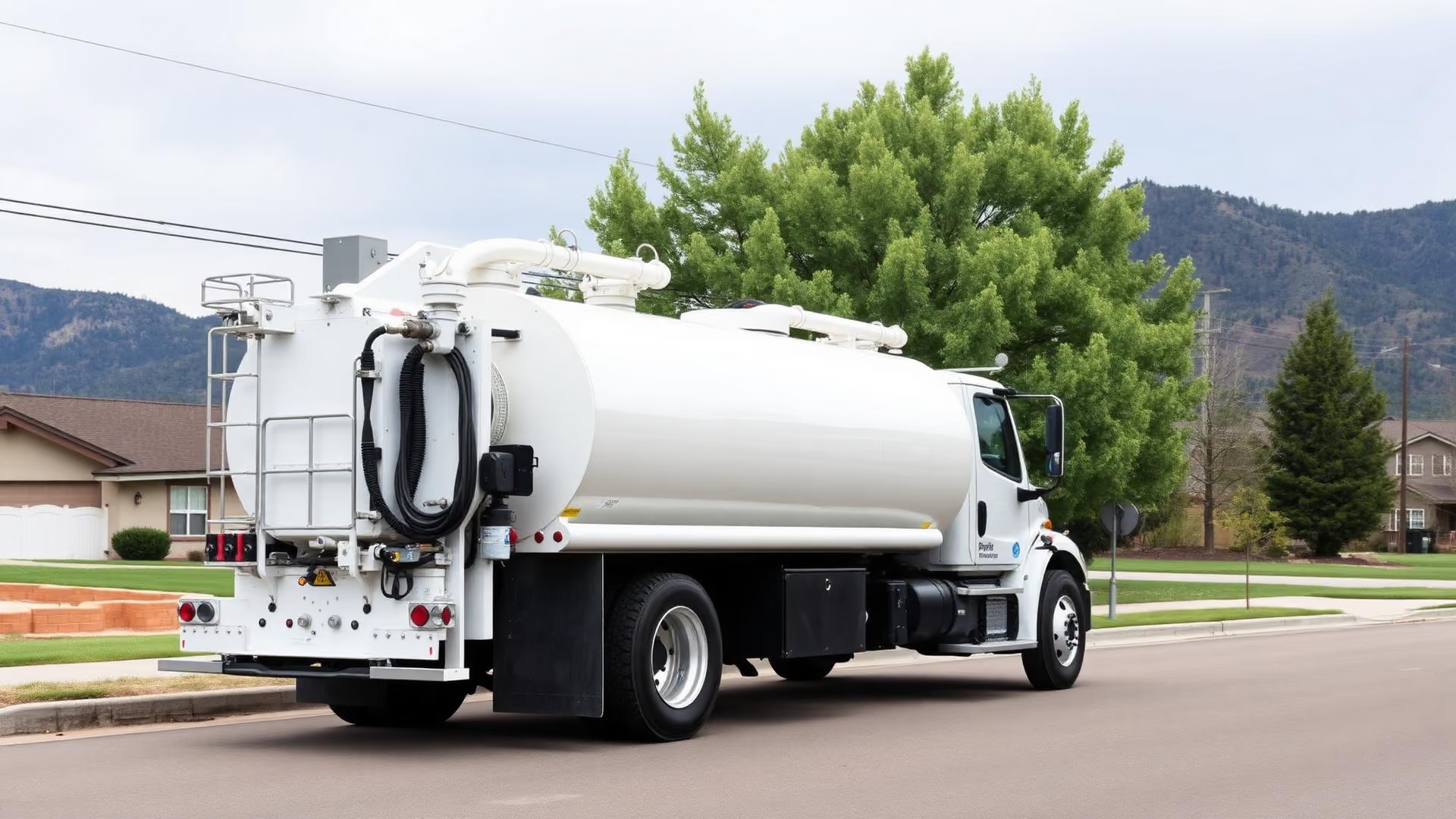
A septic tank pump out removes the liquid, the floating scum layer, and the settled sludge from your tank so the tank has working capacity again and solids stop carrying into the drain field. Affordable Septic Pumping has run this work across Denver and the Colorado Front Range for over 20 years. We open the tank, measure what is in it, pump it out, check the baffles and the effluent filter, and tell you what we found before we leave. Call 720-427-7557.
The situation
A septic tank fails quietly for years and then loudly all at once. The tank keeps accepting waste long after the sludge layer has crowded out the settling zone, so the first real warning most homeowners get is a drain that will not clear. By then solids have usually been passing through the outlet for a while.
The four signals worth acting on are slow drains across the whole house rather than one fixture, gurgling from a toilet or a tub when another fixture runs, sewage odor outdoors near the tank or the field, and a soft or unusually green patch of ground over the drain field. If you are seeing any of these, read the full list of signs your septic tank needs pumping and then get on the schedule. Two of them at once means call today.
There is also the quiet case with no symptoms at all. If you cannot remember the last service, or you bought the house and the seller could not either, the tank is due for a look. Our septic tank locating and troubleshooting service finds a buried tank when the lid location is unknown, and our guide to finding a septic tank lid covers what you can check yourself first.
Symptoms that point somewhere other than the tank get treated differently. A single slow fixture is usually a plumbing clog, not a full tank. Slow drains: septic problem or plumbing clog walks through how to tell the difference before you pay for the wrong service.
How the job runs
We find the tank and open the access points. If the lids are buried, we dig to them. Systems with risers installed save time on every future visit, which is why we bring it up when we see a tank that does not have them.
Before anything comes out, we measure how deep the settled sludge and the floating scum have gotten. That measurement is what sets your real service interval instead of a generic three year guess.
The scum layer on top gets broken up so it will move, then the vacuum hose pulls liquid, scum, and sludge into the truck until the tank is drawn down.
Sludge that has compacted in the corners and against the base gets agitated with clean liquid so it lifts and comes out rather than staying behind to shorten your next interval.
With the tank drawn down we can see the inlet baffle, the outlet baffle or tee, and the filter if the system has one. The filter gets pulled and washed. A clogged filter is one of the most common causes of a backup in an otherwise healthy system.
Watching the liquid level as the tank takes water back tells us whether the drain field is accepting effluent normally or pushing it back. That is the early warning on [drain field failure](/drain-field-failure-signs) that a plain pump out never catches.
Lids go back on and seated, the ground gets put back, and you get told the condition of the baffles, lids, risers, and filter, plus a recommended date for the next service.
Every pump out we run covers the same scope, so you are not comparing a full service against a hose in a hole. Here is what is in the price when we quote a residential pump out. What is included in a septic pumping quote in Denver breaks the same list down further if you are comparing bids.
The honest answer is that the interval belongs to the tank, not to the calendar. Most Front Range households land somewhere in a three to five year rhythm, but the real number moves with how many people live in the house, the tank size, whether there is a garbage disposal, how much laundry runs through it, and whether the property is used year round or seasonally.
A 1,000 gallon tank serving five people fills far faster than the same tank serving two. A garbage disposal adds solids on every use, and what a garbage disposal does to septic pumping costs explains why that shortens the interval. Tank size and pumping cost in Colorado covers the sizing side.
We set your interval from the sludge depth we measure on each visit. If your tank was only a third full at four years, you hear that and you wait longer next time. If it was crowded at two, you hear that too. How often to pump a septic tank in Colorado goes deeper on the variables, and our septic pumping frequency page answers the short version.
Cabins, mountain properties, and rental homes need their own logic because usage swings hard. Cabin and seasonal septic service and mountain property septic cover those patterns, and pumping before winter in Colorado explains why a fall service beats a February emergency at altitude.
Nothing, for a while. Then the sludge layer reaches the outlet, solids start leaving the tank with the effluent, and they travel into the drain field where the soil is supposed to be handling clean liquid only. Those solids clog the pore space in the soil, and clogged soil does not un-clog. That damage is permanent.
That is the whole reason pumping matters. A pump out is routine maintenance. A drain field replacement is excavation, permits, and a rebuilt system. Drain field replacement explains what that job involves, and septic repair versus replacement in Colorado covers where the line falls.
Before the field gives out, you usually get an intermediate stage: a high water level in the septic tank, effluent surfacing above the field, or a septic tank overflowing. Those are still fixable. Once the ground over the field stays soggy in dry weather, the conversation has changed.
If waste is already coming back into the house, stop reading and call. Emergency septic service in Denver is the right page for that, and the number is 720-427-7557.
A pump out is a service, not a repair, and it is not an inspection report. Being clear about the edges saves everybody a bad conversation later.
Why us
What it costs
Five things move the number: the tank size in gallons, how full it actually is, how accessible the lids are, whether risers are installed or we have to dig, and the drive distance to your property. A buried lid on a large neglected tank at the far edge of our service area is a different job from a 1,000 gallon tank with risers in Westminster. We do not publish a flat rate because a flat rate is either padded for the easy jobs or short for the hard ones. Call 720-427-7557 with your tank size and roughly when it was last serviced and you get a real number before a truck leaves the yard. Our septic service cost page and septic tank pumping cost in Denver cover the variables in more detail.
Questions
Keep going
Full evacuation and wash down for a tank that is behind schedule.
Learn more about Septic Tank CleaningFull system inspection for buyers, sellers, agents, and lenders.
Learn more about Septic Tank InspectionBaffles, filters, risers, lines, and drain field problems.
Learn more about Septic System RepairGuides that cover pumping schedules, warning signs, and what happens on the day of service.
Family Owned & Operated. Call 720-427-7557 or send the form and we will get back to you with a straight answer.