Septic Tank Inspection
Full system inspection for buyers, sellers, agents, and lenders.
Learn more about Septic Tank Inspection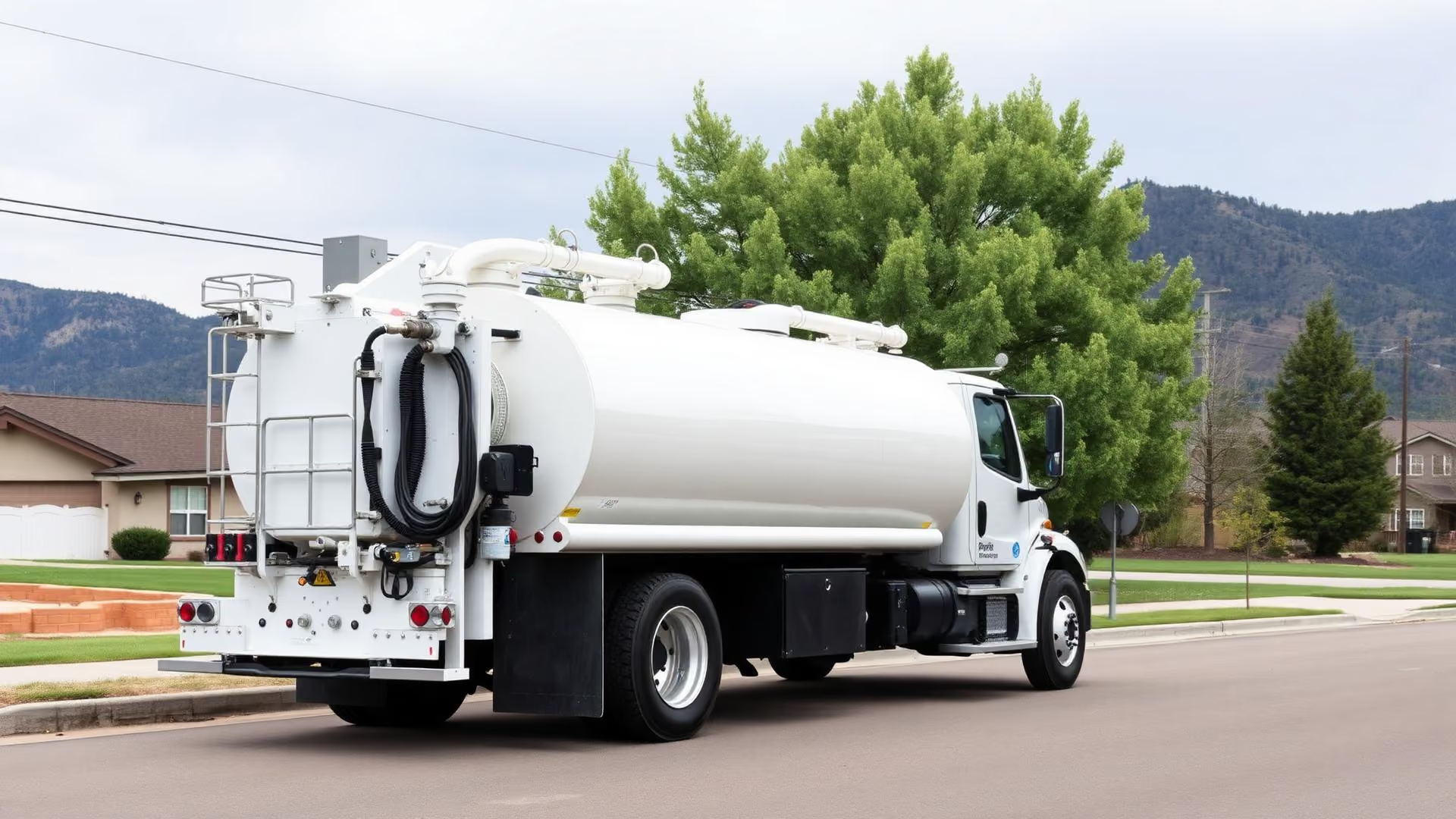
A septic system is not a reason to walk away from a house. It is a reason to ask good questions during your inspection window. Here is what to verify before you close and what to expect after you own it.
Buying a home with a septic system Buying a home with a septic system means taking on private wastewater treatment that the owner maintains, permits, and eventually replaces. Due diligence covers the tank, the drain field, the permit record, and the service history.
The system becomes the buyer's responsibility at closing, so what is learned before closing is what protects them after.
The situation
You want four things on paper before you close. The tank size and material, the date and findings of the most recent pumping and inspection, whether the drain field recovers after pumping, and the county permit record for the system including any repairs.
The expensive surprise is almost always the drain field. A tank can be pumped or even replaced for a fraction of what a field costs. That is why the inspection has to include a recovery test and not just a look in the tank. If the seller has no service history at all, treat the system as an unknown and get it inspected properly.
How the job runs
A general home inspection does not open the tank. Order a separate on site wastewater inspection from an approved inspector.
Pumping receipts and the county permit file tell you how the system was treated and whether it was ever modified.
Recovery after pumping is the number that predicts your next big expense.
Note the tank location, get risers if there are none, and set a pumping interval based on your household size.
Why us
What it costs
The recurring cost is pumping every few years, plus filter service where the system has one. The variable costs are repairs and, eventually, drain field replacement. A good inspection before closing is what tells you which of those you are buying into.
Questions
Keep going
Full system inspection for buyers, sellers, agents, and lenders.
Learn more about Septic Tank InspectionPump-outs scheduled around your closing date.
Learn more about Septic Tank PumpingWe find the tank and the lines when the records are missing.
Learn more about Locating and TroubleshootingFamily owned and operated, serving Denver and the Colorado Front Range for over 20 years.
Permit records, inspection rules, and pumping expectations are all county level. Read the guide for the county your new property sits in.