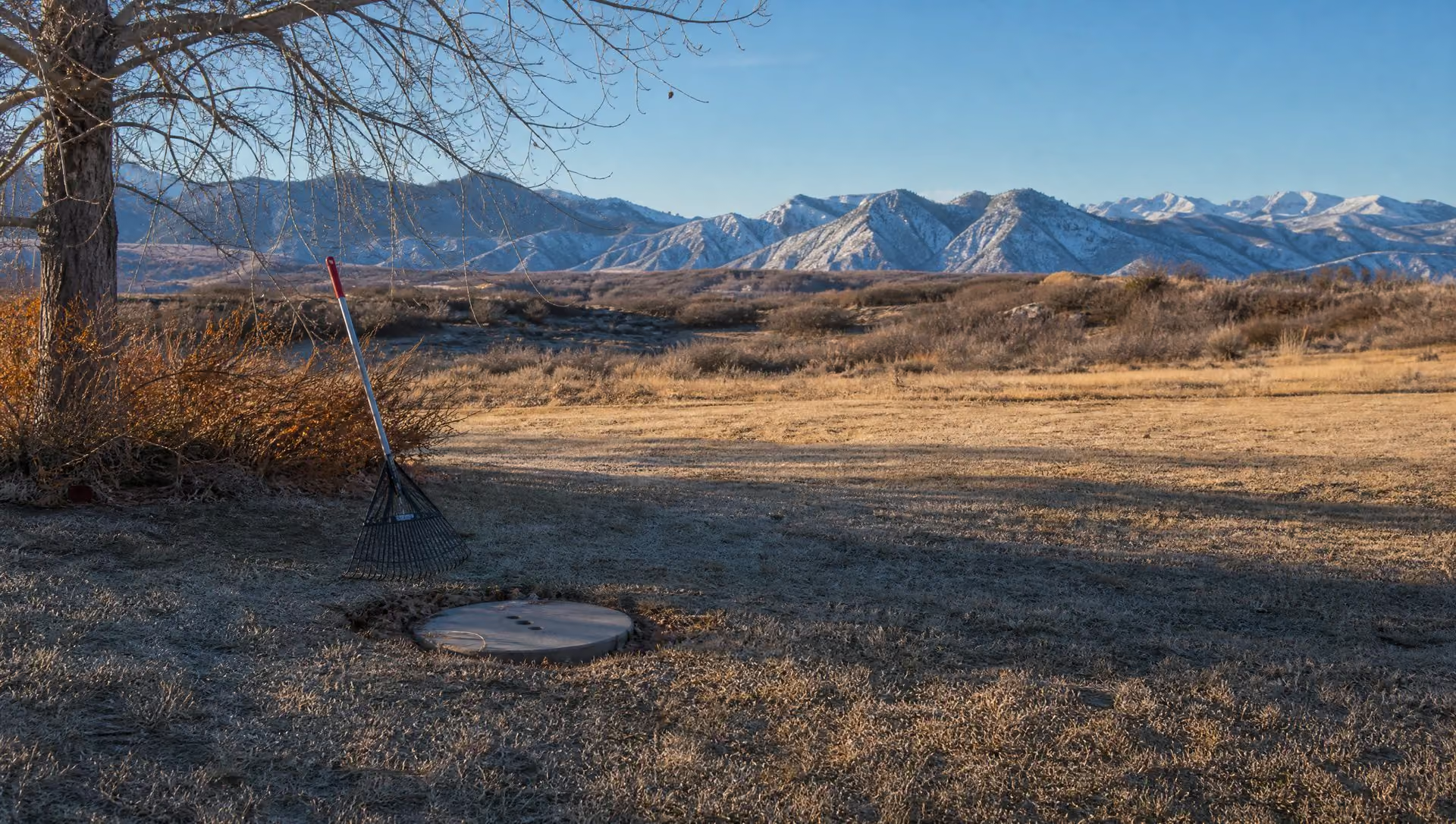
This guide is part of Septic Pumping and Maintenance. For the service itself, see our septic tank pumping service in Denver.
For many Colorado homeowners, fall is a smart time to schedule septic pumping because the ground is usually easier to access, the system can be serviced before hard freezes, and the household goes into winter with less risk of backup from an already overdue tank. But fall is not the only workable season, and the most important rule is not to delay needed pumping just to wait for the “perfect” month.
Pre-winter septic pumping. Pre-winter septic pumping is a preventive pump-out scheduled in fall so the tank is serviced before hard freezes, snow cover, and heavier winter household use make access and timing harder.
It removes one avoidable source of stress before the coldest part of the season, though it does not replace service the tank already needs.
If your system is already due for service, our page on a frozen septic line explains what cold weather can do to a system that is already under stress.
Is fall usually the best time to pump a septic tank in Colorado?
Fall is often one of the most practical times to pump a septic tank in Colorado because it helps homeowners get ahead of winter access issues and seasonal system stress. The ground is usually more workable than it is after deep freezes, and service can be scheduled before winter weather makes access or coordination harder.
That said, fall is best understood as a convenient preventive window, not as a rigid rule. A septic tank that is already overdue should be pumped when it needs service, even if that timing lands in winter or spring.
| Season or timing | Why it can make sense | Main drawback | Best fit for this situation |
|---|---|---|---|
| Fall | Easier scheduling before hard freezes and winter use | Everyone else may also try to book before winter | Preventive maintenance before cold weather |
| Winter | Service is still possible in many cases | Frozen ground and buried lids can make access harder | Tank is overdue and should not wait |
| Spring | Good time after thaw if winter access was difficult | Spring moisture can stress the field and schedules fill quickly | System made it through winter but is due now |
| Summer | Access is often straightforward | Peak-season schedules and high household water use can complicate timing | Routine planned maintenance on a stable system |
The most useful answer is not “fall or never.” It is “fall is often convenient, but overdue service should not be postponed.”
Why does pumping before winter make sense?
Pumping before winter makes sense because it reduces the chance that a full or overloaded tank will enter the coldest part of the year already under stress. It also helps avoid a situation where the system needs service after the ground is frozen or the access lids are harder to uncover.
This is especially practical for homes with buried lids, older systems, or properties where winter weather can make service logistics less predictable. That includes most mountain property septic systems along the Front Range.
Can septic tanks still be pumped during winter?
Yes, septic tanks can still be pumped during winter in many cases. Winter is not a forbidden season for pumping. The main issue is that service can become less convenient if the ground is frozen, access points are buried, or snow and ice make the site harder to work in.
That is why homeowners should not read “fall is best” as “winter pumping cannot be done.” If the tank is due or the system is struggling, waiting can create more risk than winter service itself.
What winter conditions make pumping harder in Colorado?
The biggest winter obstacles are frozen ground, buried or hard-to-find access lids, snow cover, and the extra labor needed to uncover the tank safely. In colder climates, EPA treatment guidance notes that frozen ground may limit pumping to warmer months in places where risers do not extend to the surface.
This matters most on properties where the lids are not already easy to reach. A tank with risers at grade is usually much easier to service in winter than a tank with deeply buried lids.
Does pumping before winter prevent freezing problems?
It can help reduce risk, especially if the tank is already overdue and the system is entering winter with little room for error. A well-maintained system is generally in a better position to handle cold weather than one that is already overloaded.
Pumping does not guarantee that no winter septic issue will happen, because freezing and backup risks also depend on insulation, water use patterns, drainage, and overall system condition. But it can remove one avoidable source of stress before the coldest part of the season.
Use this checklist to decide whether fall pumping makes sense for your property:
- It has been several years since the last pump-out.
- The tank lids are buried and harder to access in winter.
- The property gets snow cover or deep freezes.
- The household will have heavier holiday or winter occupancy.
- The system has shown slow drains or gurgling before.
- You would rather avoid scheduling service in frozen-ground conditions.
If the tank location or access is uncertain ahead of winter, the best place to start is the Affordable Septic Pumping locating and troubleshooting service, which helps prevent delays by confirming system location before conditions make access more difficult.
Is fall always better than spring for septic pumping?
Not always. Fall is often convenient because it gets the system ready before winter, while spring can also work well after thaw if access was difficult during colder months. In practice, the better choice depends on whether the tank is already due, how accessible the tank is, and how likely winter conditions are to complicate service.
A tank that is not yet due does not need to be pumped just because fall has arrived. A tank that is overdue should not be pushed into winter just to keep to a preferred season. Seasonal use changes the math too, which is why we handle cabin and seasonal septic systems on their own schedule.
What if the septic tank is already overdue when winter starts?
If the tank is already overdue when winter starts, it is usually better to address it than to wait several more months for ideal weather. A delayed pump-out can increase the chance of backups, slow drains, or a more stressful cold-weather service call later.
That is one of the most important boundaries in this topic: preventive timing is helpful, but maintenance needs still come first.
| Situation | Best next step | Why | What it does not rule out |
|---|---|---|---|
| Tank is due in early fall | Pump before winter | It is a practical preventive window | Future inspection if symptoms exist |
| Tank is already overdue in winter | Schedule service rather than waiting for spring | Delay can raise backup risk | Harder access if lids are buried |
| Tank is not due and system is stable | Keep the normal maintenance schedule | Season alone is not a reason to pump | Future seasonal planning |
| Property has buried lids and difficult winter access | Pump before freeze if possible | Frozen ground can make service less convenient | Need for risers or access improvements |
What does this look like in real life?
A realistic example is a homeowner in Evergreen whose septic lids are below grade and whose property gets regular snow cover. Scheduling pumping in fall is often the easiest choice because the tank can be serviced before snow and frozen ground make access harder.
Another common example is a homeowner in Thornton who realizes in January that the system is already overdue and several guests stayed over the holidays. In that case, waiting until spring may create more risk than simply arranging service in winter.
What mistakes do homeowners make with seasonal pumping timing?
The most common mistake is treating fall like the only acceptable season and postponing a needed pump-out just because the calendar slipped. That can turn a manageable maintenance decision into a winter backup or an urgent service call.
Another mistake is assuming winter pumping is impossible. It may be less convenient, but many systems can still be serviced if the tank is accessible and the need is real.
Red flags to watch for
Be cautious if the system is overdue, if access lids are deeply buried, if slow drains have already started, or if the household expects heavier winter use. It is also worth planning ahead if the property commonly gets snow cover that hides access points.
Good timing should reduce risk, not create more delay.
What is the best next step if you are unsure about seasonal timing?
The best next step is to compare the tank’s actual service history with how easy the property will be to access once winter sets in. That usually gives a better answer than following a seasonal rule without looking at the system itself.
Winter prep is one item on a longer list, and our septic services page has the rest.
Final takeaway
For many Colorado homes, fall is a smart time to pump a septic tank because it reduces the chance of heading into winter with an overdue system and can avoid frozen-ground access problems. But the best season is still the season when the system actually needs service.
If your tank is due before winter, call Affordable Septic Pumping at 720-427-7557. Our Westminster based family crew covers Denver and the Colorado Front Range.